


Best iPhone 17 Pro Max Cases in 2025: What to Buy Before You Drop It
→ Second Hand Mac Keyboard: What to Check Before You Buy (And What to Avoid)
The iPhone 17 Pro Max costs $1,199 at minimum. That’s before taxes, before AppleCare, and long before whatever repair bill comes from setting it face-down on concrete. Picking the right case isn’t a minor decision — it’s the most practical thing you can do after handing over that kind of money.
→ Apple September Event 2026: iPhone 18 Pro, a Foldable iPhone, and the Biggest Hardware Drop in Years
But the case market is genuinely overwhelming. Walk into any retailer or scroll through Amazon and you’ll find hundreds of options ranging from $8 to $80, all claiming military-grade protection and premium materials. Most of them are not lying, exactly. They’re just not telling you the whole story.
This guide cuts through the noise and explains what actually matters when buying an iPhone 17 Pro Max case — the specs worth checking, the features worth paying for, and the tradeoffs most buyers don’t think about until it’s too late.
Why This Phone Needs More Protection Than Most
Apple made real improvements to the iPhone 17 Pro Max. The back is Ceramic Shield 2, which the company says is three times more scratch-resistant than the previous version. The chassis uses heat-forged aluminum, and the overall build quality is the best Apple has shipped.
None of that makes it drop-proof.
A 6.9-inch phone is heavier, harder to grip one-handed, and generates more force when it hits the ground than a smaller device. The camera system — three 48MP cameras arranged on a raised plateau — sticks out further than ever, which means it contacts surfaces first in a flat drop. And the Ceramic Shield back, while excellent against scratches, can still crack from impact at the right angle.
So yes, the phone is tougher. The case still matters.
The Specs That Actually Tell You Something
Drop rating
Look for MIL-STD-810G certification or higher. This is a U.S. military testing standard that puts devices through repeated drops from a set height under controlled conditions. It’s not a perfect real-world simulation, but it’s a consistent benchmark that separates tested cases from ones that just look tough.
MagSafe compatibility
The iPhone 17 Pro Max charges at up to 25W via MagSafe at Qi2.2. A case with weak or misaligned magnets will reduce that charging speed, sometimes significantly. If you use a MagSafe charger, wallet, or mount, check that the case is explicitly MagSafe-certified, not just “compatible.”
Camera plateau coverage
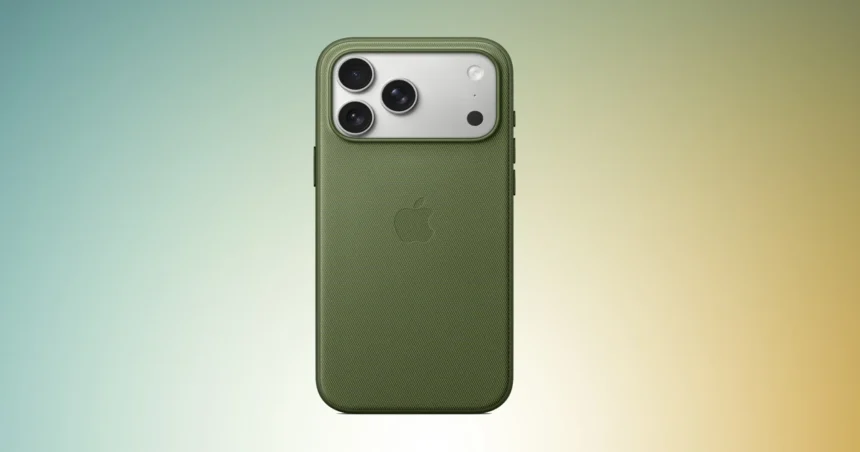
This is the one most buyers skip. The raised camera island needs edge coverage from the case, or it absorbs the impact of every flat drop directly. Cases that leave the plateau rim exposed are cutting corners in the one spot that’s most vulnerable.
Camera Control button clearance
Apple’s Camera Control is a capacitive side button, which means it reads touch rather than physical pressure. A case that covers it too thickly creates a dead zone where the button simply stops responding. Check reviews specifically for this before buying.
What You’re Actually Paying For at Different Price Points
Under $20: You’ll find TPU cases, basic silicone, and thin clear shells. Most offer decent scratch protection and minor drop resistance. Don’t expect much beyond that. Fine for light users or people who rarely drop their phone.
$20 to $40: This is where the majority of solid, everyday cases live. Brands like Spigen, Caseology, and ESR offer MIL-STD-810G rated options with reinforced corners, MagSafe compatibility, and good button feel. For most people, this range hits the best balance of protection and value.
$40 to $80: Cases from OtterBox, Casetify, Peak Design, and Apple itself sit here. You’re paying for better materials, longer warranties, more refined aesthetics, and in some cases, modular features. The OtterBox Defender and Commuter series are worth the price for anyone who works outdoors or is genuinely rough on their phone.
Above $80: Leather cases, carbon fiber, and boutique brands. Protection varies widely. You’re mostly paying for looks and materials, not necessarily better drop performance.
Slim vs. Rugged: The Tradeoff Nobody Explains Clearly
A slim case makes the phone easier to hold and pocket. A rugged case makes it harder to drop and easier to survive when you do. The problem is that slim cases are often chosen by people who drop their phones most often — because they prefer the feel — and rugged cases are often chosen by people who are already careful.
Think honestly about your habits. If you’ve cracked a phone screen before, go rugged. If your current phone has been in a case for three years without a scratch, a slim option is probably fine.
One Feature Most People Never Check
Warranty coverage. Some case brands, particularly OtterBox, offer a “satisfaction guarantee” or limited warranty that covers the case itself. A small number of premium brands go further and offer screen or device protection programs if the phone is damaged while in their case.
This isn’t the main reason to buy any particular case, but it’s worth knowing before you need it. A case that comes with some form of coverage is a better long-term investment than one that doesn’t, all else being equal.
The Practical Bottom Line
For most iPhone 17 Pro Max owners, a MIL-STD-810G rated case in the $25 to $45 range from a reputable brand covers everything that matters. Make sure it’s MagSafe-certified, check that it covers the camera plateau edge, and confirm the Camera Control button works through the case before committing.
If you work in construction, spend time outdoors, or have a history of cracked screens, step up to an OtterBox Defender or a comparable rugged option. The extra $20 to $30 is nothing compared to a screen replacement on a $1,200 phone.
Buy the case before the phone arrives if you can. The one day you go without it is usually the one that matters.
Relevant posts
- Apple Pay Security Notice Text: How to Spot the Scam Before It Costs You
- watchOS 27: Every New Feature Coming to Apple Watch This Year
- iPhone 16 Pro Max Price Drop: What It Actually Costs Now and Whether It’s Worth Buying
Visit consideringapple.com for more stories.