





Apple Federal Credit Union: What It Is, Who It Serves, and Whether It’s Right for You
→ Apple Stock Price Today : Is Changing Apple’s Ecosystem In 2026
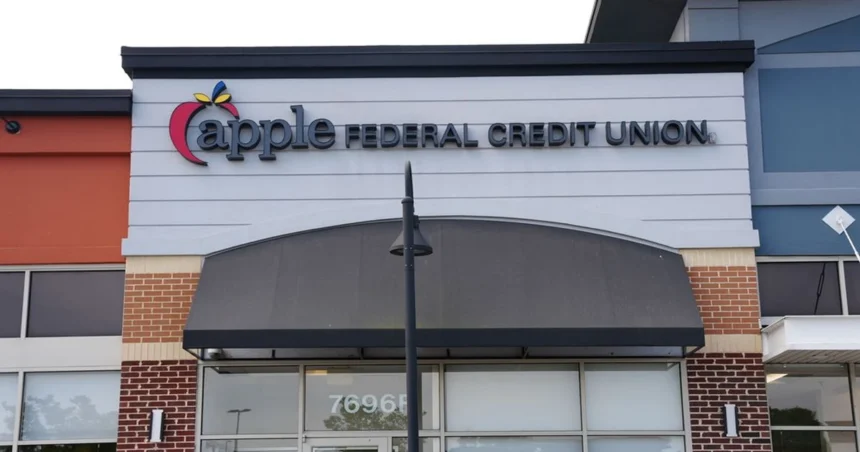
Apple Federal Credit Union has been quietly serving the Northern Virginia community for decades, yet many people in the region still aren’t sure whether they qualify for membership or how it compares to the big banks they’ve relied on out of habit. If you’ve driven past one of their branches or seen the name come up while searching for local financial institutions, here’s what you actually need to know.
Not What the Name Suggests
First, the obvious question: no, Apple Federal Credit Union has nothing to do with Apple Inc. or any tech company. The name traces back to its origins in the Fairfax County school system, where it was founded in 1956 to serve local educators. “Apple” was a nod to the classic teacher’s apple, not to Silicon Valley.
→ legal action between apple and samsung Changes iOS
That origin story matters because it explains the institution’s structure. Credit unions are member-owned, not-for-profit financial cooperatives. Every person who opens an account becomes a part-owner. Profits don’t go to outside shareholders; they cycle back into better rates, lower fees, and improved services for members. That’s the core pitch of any credit union, and Apple Federal has built its reputation on delivering it consistently over nearly 70 years.
Who Can Actually Join
Membership eligibility is one of the most common points of confusion with credit unions. Apple Federal Credit Union serves a broad community in Northern Virginia, including employees of hundreds of partner organizations, students and staff at several local colleges and universities, members of select associations, and people who live, work, worship, or attend school in Fairfax County.
If you’re not sure whether you qualify, the credit union’s website allows you to check eligibility before you apply. The process is straightforward, and the qualifying criteria are wider than most people assume.
What They Actually Offer
Apple Federal Credit Union covers the full range of personal banking products you’d expect from any major financial institution.
Checking and Savings Accounts
Their checking accounts come with features like early direct deposit, no minimum balance requirements on standard accounts, and access to a large ATM network. Savings rates at credit unions tend to be more competitive than what the big commercial banks offer, and Apple Federal is no exception, particularly on certificates (the credit union equivalent of CDs) and money market accounts.
Loans and Mortgages
This is where many members say they notice the biggest difference. Apple Federal offers auto loans, personal loans, home equity lines of credit, and mortgages. Because the institution isn’t chasing quarterly profit targets, rates on loans are often lower than what you’d find at a national bank, and the application process tends to feel less impersonal.
Credit Cards
The credit union offers Visa credit cards with competitive interest rates and rewards programs. For members who carry a balance, the lower APR compared to typical bank-issued cards can translate into real savings over time.
Digital Banking
Apple Federal has invested in its online and mobile banking platform. Members can deposit checks remotely, transfer funds, pay bills, and manage accounts from their phones. The app has received solid ratings, though it’s fair to say the digital experience doesn’t quite match the polish of the largest national banks. For most everyday banking needs, though, it does the job well.
The Real Advantages of Choosing a Credit Union
The not-for-profit model shapes everything about how Apple Federal operates. Fees tend to be lower. Overdraft policies are generally more forgiving. Customer service, both in-branch and over the phone, tends to be more personal because you’re dealing with a smaller institution that has a defined community focus.
There’s also the community angle. Apple Federal actively supports local schools, nonprofits, and financial literacy programs across Northern Virginia. For members who care about where their money is held and what it supports, that track record matters.
One practical point worth knowing: Apple Federal Credit Union participates in the CO-OP Shared Branch network. That means members can conduct transactions at thousands of credit union branches across the country, which addresses one of the traditional drawbacks of banking with a smaller, regional institution.
Where It Falls Short
No financial institution is perfect for everyone. Apple Federal’s branch footprint is concentrated in Northern Virginia, which works well if you live and work there but becomes inconvenient if you relocate or travel frequently. While the shared branch network helps, it’s not the same as having a branch on every corner.
The digital tools, as mentioned, are functional but not cutting-edge. If you’re someone who expects the very latest app features and a fully digital-first experience, a fintech bank or one of the larger national institutions might suit you better.
Is It Worth Switching?
For anyone who lives or works in Northern Virginia and qualifies for membership, Apple Federal Credit Union is worth a serious look. The combination of competitive rates, lower fees, and genuine community investment is a real alternative to the standard commercial banking experience. The main question is whether the branch access and digital tools match your lifestyle.
If you bank primarily online, rarely visit branches, and don’t carry loan balances, the differences between Apple Federal and a large national bank might feel marginal. But if you’re in the market for a car loan, a mortgage, or just want a checking account that doesn’t nickel-and-dime you, the credit union model tends to win on value, and Apple Federal is one of the more established examples of it in the region.
You can find more information and check membership eligibility directly at Apple Federal Credit Union’s official website at applefcu.org.
Relevant posts
- iPhone 15 Pro to Buy Decision is Changing Apple Ecosystem in 2026
- Apple’s India vendors export $2.5 billion components to China: A Supply Chain Reversal
Visit consideringapple.com for more stories.