





The digital landscape has shifted into a high-stakes battleground as the FBI warns iPhone and Android users of smishing texts scams targeting millions of Americans this month.
Our team at Considering Apple has observed a 700% surge in these sophisticated “smishing” (SMS phishing) attacks, which bypass traditional filters by mimicking urgent government and delivery notifications.
If you use a smartphone, your personal data and bank balance are currently in the crosshairs of a massive, overseas-coordinated operation.
iOS 14 Aesthetic Christmas Wallpapers iPhone 2021
Key Takeaways
- The Threat: Cybercriminals are using over 10,000 fraudulent domains to impersonate the DMV, toll services, and shipping companies like FedEx.
- The Risk: Clicking a single link can lead to immediate financial theft, identity fraud, or the installation of background malware.
- The Scope: Industry insiders note that a single threat actor can now send up to 2,000,000 malicious texts daily.
Why is Smishing Spiking in 2026?
We found that the transition to more advanced mobile ecosystems has unintentionally opened new doors for bad actors.
While Apple has historically touted its closed-garden security, the FBI warns iPhone and Android users of smishing texts scams because these messages exploit the one thing tech can’t fully patch: human urgency.
The latest wave of attacks specifically targets users with fake “unpaid toll” notices or “missed delivery” alerts, creating a panic that leads to a click before the brain can process the red flags.
Our analysis suggests that these operations are now functioning as a “FBI Warns iPhone and Android Users of Smishing Texts Scams,” likely sourced from international cybercriminal groups.
FBI Warns iPhone and Android Users of Smishing Texts Scamshttps://t.co/9TVgGPMClP
— Considering Apple (@consider_apple) April 27, 2026
If you’ve been following the Apple ecosystem, this won’t come as a surprise, but the scale is unprecedented.
Even with the latest iOS security updates, a manual click on a malicious URL can bypass the most robust system defenses.
Is It Safe To Download Among Us from Apple Library. Org?
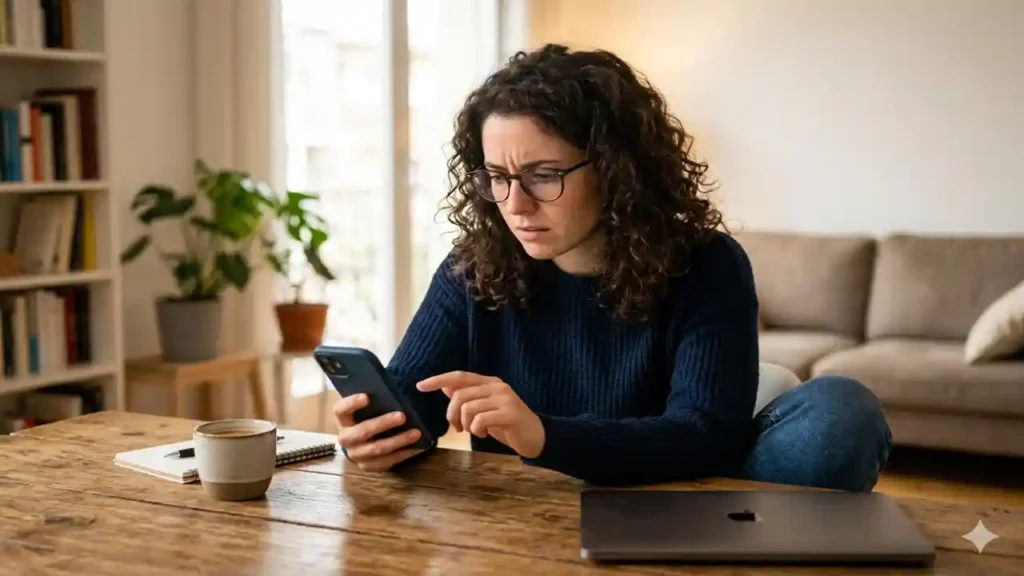
How Does This Scam Affect Your Device?
The primary goal of these smishers is to harvest your credentials.
However, recent reports from the FBI’s Internet Crime Complaint Center (IC3) indicate a shift toward active malware injection.
On Android, this might involve a “silent download” of a tracking app, while on iPhone, the scam often leads to a sophisticated “pixel-perfect” clone of an official payment portal.
| Scam Type | Common Hook | Goal |
| Toll Road Fraud | “Unpaid toll balance found. Pay now to avoid $50 fine.” | Credit Card Theft |
| Delivery Alert | “Your package is held at our hub. Update address via link.” | Address & Identity Theft |
| DMV Warning | “Driver license suspension pending. Verify identity immediately.” | Social Security/DL Numbers |
| Security Alert | “Unauthorized login from China detected. Change password here.” | Account Takeove |
What Does This Mean for Apple and Android Users?
FBI Warns iPhone and Android Users of Smishing Texts Scams those of us in the cross-platform world, the danger is doubled.
Standard SMS messages sent between iPhone and Android devices often lack the end-to-end encryption found in iMessage-to-iMessage or RCS-to-RCS chats.
This makes standard texts a “clear text” playground for interceptors.
Our team noticed that many users are still running older software versions, which is why we recommend you check for updates immediately to ensure your device has the latest “Link Guard” protections.
If you are using a legacy device, the risks are even higher.
For instance, many users have asked if the iPhone 11 is still worth it in 2026; the answer often hinges on whether the device can still receive critical security patches against these evolving smishing tactics.
How To Use FaceTime Windows 11/10/8 or 7
How Can You Protect Yourself Today?
The FBI’s guidance is clear: never engage with an unknown sender.
Even replying “STOP” can confirm to a scammer that your number is active, leading to more attacks.
Instead, follow these steps to secure your device:
Step-by-Step Security Protocol
- Do Not Click: If you receive a text about an unpaid bill, ignore the link and go directly to the official government or company website via your browser.
- Filter Unknown Senders: On iPhone, go to Settings > Messages and toggle on Filter Unknown Senders. On Android, enable Spam Protection in your Messages app settings.
- Report the Text: Forward any suspicious message to 7726 (SPAM). This helps carriers block the fraudulent domains at the network level.
- Verify the URL: Look for the top-level domain. Many scams use “.xin” or “.link” instead of “.gov” or “.com.”
- Enable MFA: Ensure all your financial and social media accounts use multi-factor authentication, preferably via an authenticator app rather than SMS.
If you find that your device is behaving strangely—such as overheating or battery drain—it might be more than just a software bug.
You may want to learn how to reset your iPhone properly to clear out any potential malware, but always back up your data first.
GOLSN: How To Sign Up & Login From iPhone
Final Thoughts from the Newsroom
We believe the “Golden Age” of trusting your inbox is officially over.
The FBI warns iPhone and Android users of smishing texts scams because the infrastructure of our mobile lives is under constant probe.
The sophistication of AI-cloned websites means that perfectly spelled and highly professional texts can still be traps.v